
Garbage Disposals
You'll Be Glad You Called Us First!
Garbage Disposals, Not To Be Used With Everything Scraped Off the Plate, Please!
The convenience of having a garbage disposal installed to your kitchen sink is relieving. But you should also be cautious in thinking this is the end all be all towards disposing of all the food waste in your home. Putting the wrong types of materials down the drain can cause havoc to your garbage disposal. Avoid putting these down that disposal:
Coffee Grounds: Despite their appearance, coffee grounds are dense and can form a gunky paste in your drain.
Pasta, Rice, and Bread: These foods absorb water and expand. Dumping them down the disposal can lead to clogs. If you do, run cold water to flush them down without expanding.
Animal Bones: Small fish or chicken bones are okay, but larger ones can damage the disposal’s grinding mechanisms. Avoid hard bones.
Nuts and Shells: Nuts (especially peanuts) can turn into a thick paste, clogging your drain. Shells, including seafood shells, are also damaging.
Pits and Seeds: If you can’t cut it with a knife, don’t put it in the disposal. Pits and seeds are hard to grind up and can cause trouble.
Onion Layers: The outermost layer of onions can wrap around the disposal’s blades or bypass them altogether. Be cautious.
If you are experiencing problems with your disposal and need an expert team at your side, don't hesitate to call or request service from Able Home Services!
We include great service guarantees on all our disposal work as well.
How Do You Clean A Garbage Disposal?
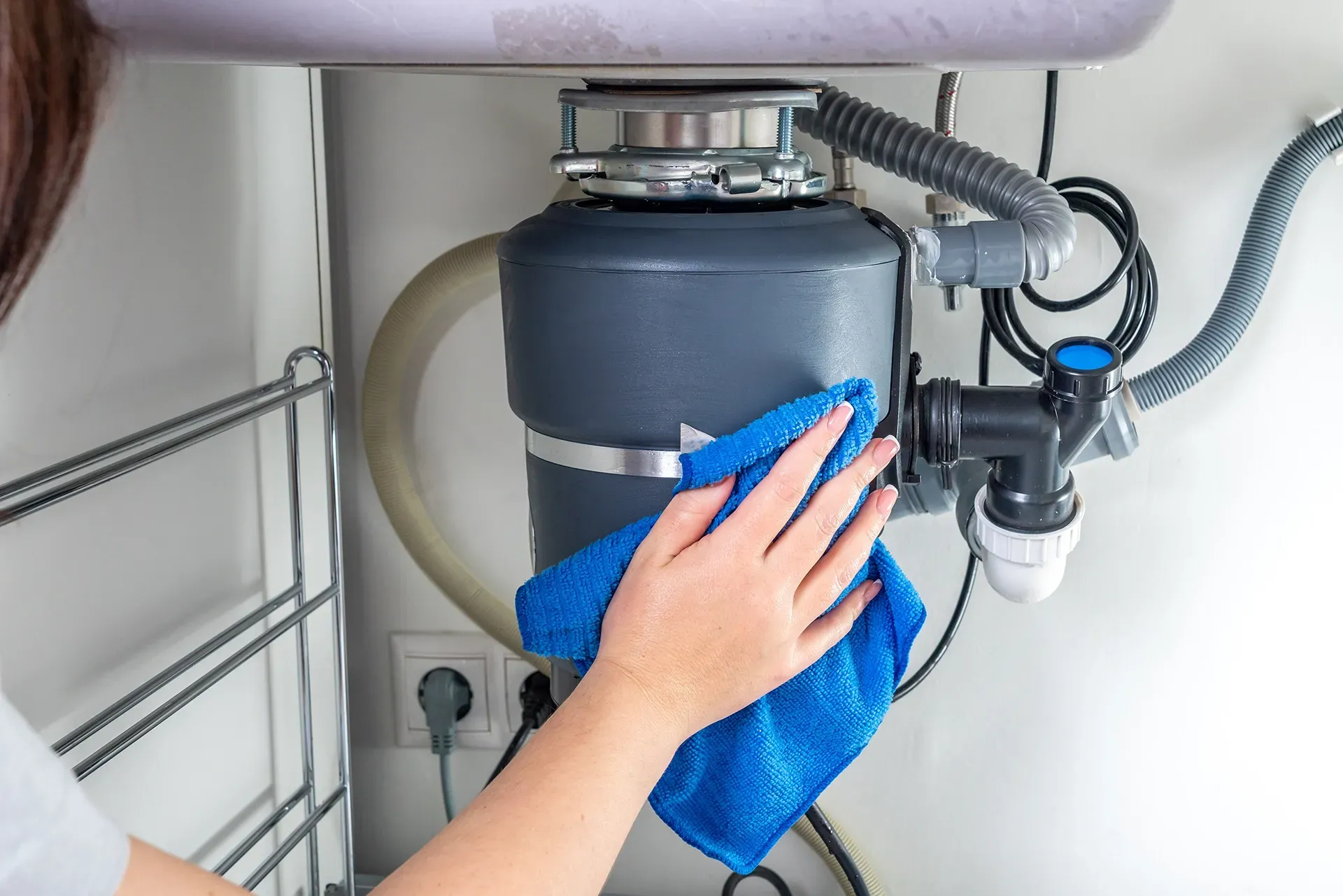
Cleaning your garbage disposal is essential to maintain its efficiency and prevent unpleasant odors. Here’s a step-by-step guide on how to do it:
Disconnect the Power:
Safety first! Cut the power leading to your garbage disposal. Unplug it from the outlet under the sink or turn off the electricity from the breaker box. Double-check that you’ve disconnected the right circuit before proceeding.
2. Clean the Splash Guard:
The rubber splash guard (also called a gasket or baffle) traps food particles and grease. Remove it from the drain and scrub it thoroughly with an old toothbrush and dish detergent. Pay attention to the underside to remove any debris or slime.
3. Remove Visible Food Debris:
While the splash guard is out, shine a flashlight into the disposal. Check for any food particles that may be eluding the grinder. Use tongs or pliers (never your fingers!) to reach into the disposal and remove any remaining food pieces.
4. Deodorize with Baking Soda and Vinegar:
Pour half a cup of baking soda into the disposal.
Follow it up with half a cup of vinegar. Let this mixture sit for about 30 minutes to deodorize and break down residue. Rinse with cold water to flush away the loosened debris.
5. Grind Up Ice and Salt:
Drop a few ice cubes and a handful of table salt into the disposal. Turn it on to grind up the ice. This helps clean the blades and dislodge any remaining gunk.
6. Freshen Up with Citrus:
Toss in some lemon or orange peels. The natural oils will leave your disposal smelling fresh. Run cold water while grinding the peels to help clean the disposal further.
If all that cleaning doesn't work, it may indicate it is time for a new garbage disposal. Some of the most common ones are:
Frequent clogs: If your garbage disposal frequently becomes clogged despite attempts to clear it, it may indicate internal issues with the blades or motor.
Unusual noises: Grinding noises that are louder or different from the usual operation may signal damaged or worn-out components within the disposal.
Frequent resets: If you find yourself needing to reset the disposal often by pressing the reset button on the unit or the circuit breaker, it suggests electrical problems or motor issues.
Leakage: Any signs of water or liquid leakage around the disposal unit or the sink flange may indicate seal or gasket problems that compromise its integrity. Persistent odors: Lingering unpleasant odors despite cleaning efforts may indicate food buildup within the disposal or a failing sealing mechanism.
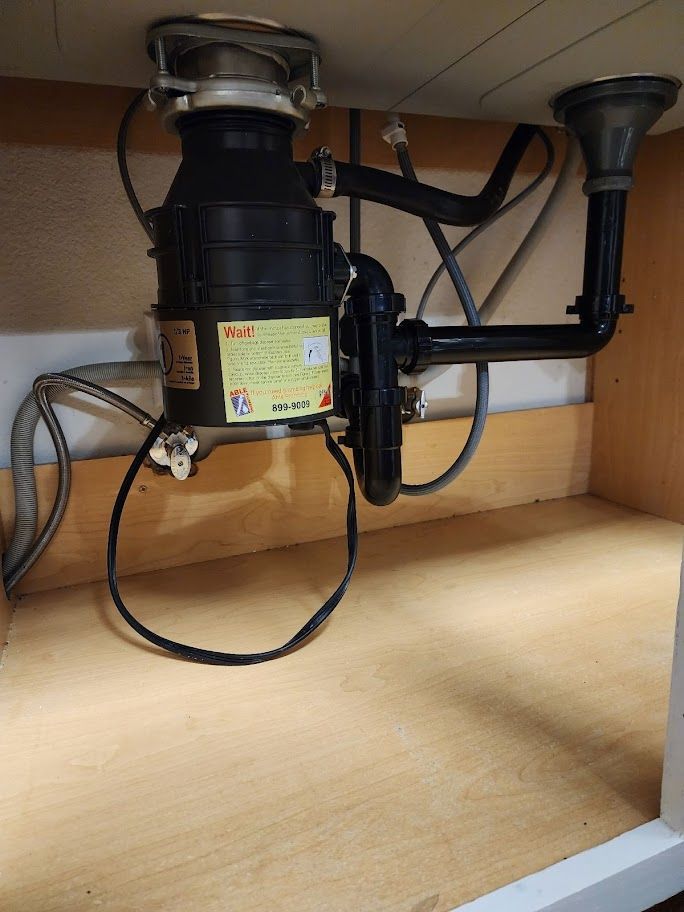
Poor performance: A disposal that struggles to grind food waste efficiently or takes longer than usual may be experiencing motor or blade wear.
Age: Garbage disposals have a lifespan of about 10-15 years. If your unit is nearing or past this age range and experiencing issues, it may be more cost-effective to replace it rather than repair it.
Frequent repairs: If you find yourself frequently calling for repairs, the cumulative costs may justify investing in a new disposal that is more reliable and efficient.
If you notice any of these signs, you may want to consider replacing your garbage disposal with a new one. We are ready and able to help you with the replacement, offering many different options for your budget.