
Troubleshootig Water Heaters
You'll Be Glad You Called Us First!
Troubleshooting Water Heaters: Common Issues and Solutions
Water heaters are essential for comfortable, modern living, providing hot water for showers, laundry, and dishwashing; however, like any household appliance, they can encounter issues. Understanding how to troubleshoot common water heater problems can help you quickly restore hot water supply or determine when professional help is needed. Here’s a guide to diagnosing and fixing typical water heater issues.
We include great service guarantees on all our work as well.
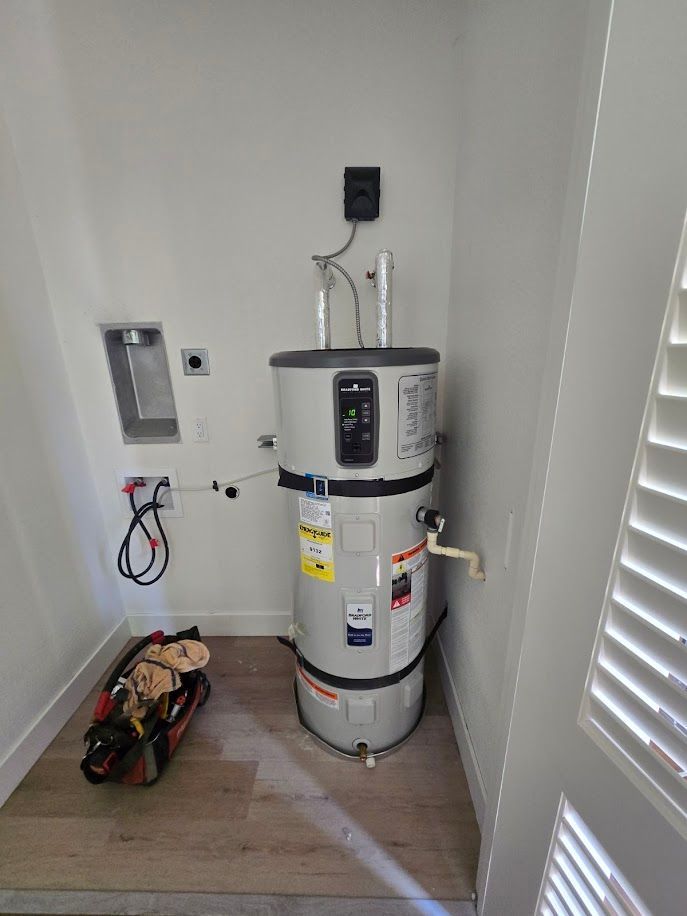
1. No Hot Water
Electric Water Heaters: Check if the circuit breaker has tripped. If so, reset it. If it trips again, there may be an electrical issue requiring a professional. For water heaters with two heating elements, one of the elements or thermostats may have failed and need replacement.
Gas Water Heaters: Ensure the pilot light is on. If it's out, follow the manufacturer's instructions to relight it (typically located just above or on the control valve). If it won’t stay lit, the thermocouple might need replacing or the gas valve could be faulty.
2. Insufficient Hot Water or Running Out Quickly
Sediment Buildup: Draining and flushing the tank can remove sediment affecting the heater's efficiency.
Faulty Heating Element or Burner: For electric heaters, one of the heating elements may have failed. In gas models, the burner may be dirty or obstructed.
Incorrectly Sized Water Heater: If your household's hot water demand has increased, you may need a larger water heater.
3. Water is Too Hot
Thermostat Setting: Check the thermostat on the water heater; it should be set between 120°F and 130°F (check owner's manual if you see letters for the settings on the dial). Adjust accordingly if set too high.
4. Noisy Water Heater
Sediment Buildup: Rumbling or popping noises are often due to sediment collecting at the bottom of the tank and overheating. Draining and flushing the tank can help.
Water Hammer: If the noise occurs when turning hot water on or off, installing water hammer arrestors can solve the issue or ensuring pipes are properly strapped, especially if you've recently experienced an increase in your water pressure.
5. Leaking Water Heater
Loose Connections: Check all fittings, including the inlet and outlet, for tightness.
Faulty T&P Valve: The temperature and pressure relief valve might be leaking due to excessive pressure or a malfunction. It may need replacing or the pressure reducing valve on the main supply might require adjustment.
Tank Corrosion: If the tank itself is leaking, unfortunately, this means the water heater needs to be replaced.
6. Discolored Water
Corroded Anode Rod: If hot water is rusty or discolored, the anode rod may be corroded and needs replacement to protect the tank from rust.
Sediment: Flushing the tank can help clear out sediment that may cause discoloration.
Other Causes: If you are seeing discolored water when using cold water as well as the hot water, this may be an indication of dirt, rust or other foreign element in your pipes and/or water. Check with our experts so we can diagnose the cause for you.
7. Smelly Hot Water
Bacteria in the Tank: A rotten egg odor can be due to bacteria in the tank reacting with the anode rod. Flushing the tank and increasing the temperature temporarily to 140°F for a few hours can possibly help to kill the bacteria. Consider replacing the anode rod with an aluminum-zinc alloy type if the smell persists.
Professional Help
While many issues can be resolved with simple troubleshooting, some problems require professional diagnosis and repair, especially when dealing with gas lines, electrical components, or replacing major parts like the tank itself. Regular maintenance by a professional can also prevent many common issues. Understanding the basics of water heater troubleshooting can help you quickly address common issues, ensuring your household enjoys a consistent hot water supply. Remember, when in doubt, or if the problem involves complex systems, seeking professional assistance is the safest choice. Give us a call. We are happy to come and take a look at any issues you are having with your hot water systems in your home.