

New Or Trenched Sewer Lines
Comparing New Sewer Line Installation Methods: Trenchless vs. Traditional Trenching
When it comes to installing new sewer lines or replacing old ones, property owners and contractors face a choice between two primary methods: trenchless techniques and traditional trenching. Each approach has its advantages and considerations, making the decision crucial for the success and efficiency of the installation project. This section explores the differences between these methods, helping to inform a choice that aligns with specific project needs, budgets, and environmental considerations. We're ready and able to help with your installation and sewer lines. Call or request service today!
We include great service guarantees on all our sewer line work as well.
Traditional Trenching
Traditional trenching involves excavating a long, open trench to remove the old sewer line and install a new one. This method has been the standard for many years, known for its straightforward approach to accessing and replacing sewer pipes.
Advantages:
Accessibility: Trenching provides direct access to the sewer line, making it easier to identify and address issues.
Cost: Initial costs can be lower than trenchless methods, primarily if the site is easily accessible and does not require extensive landscape restoration.
Considerations:
Disruption: The process is highly invasive, significantly disturbing landscaping, driveways, and other surface structures.
Time and Labor: Trenching projects can be time-consuming and labor-intensive, often requiring several days to complete.
Restoration Costs: The cost of restoring the excavated area can be substantial, potentially outweighing the initial savings.
Trenchless Techniques
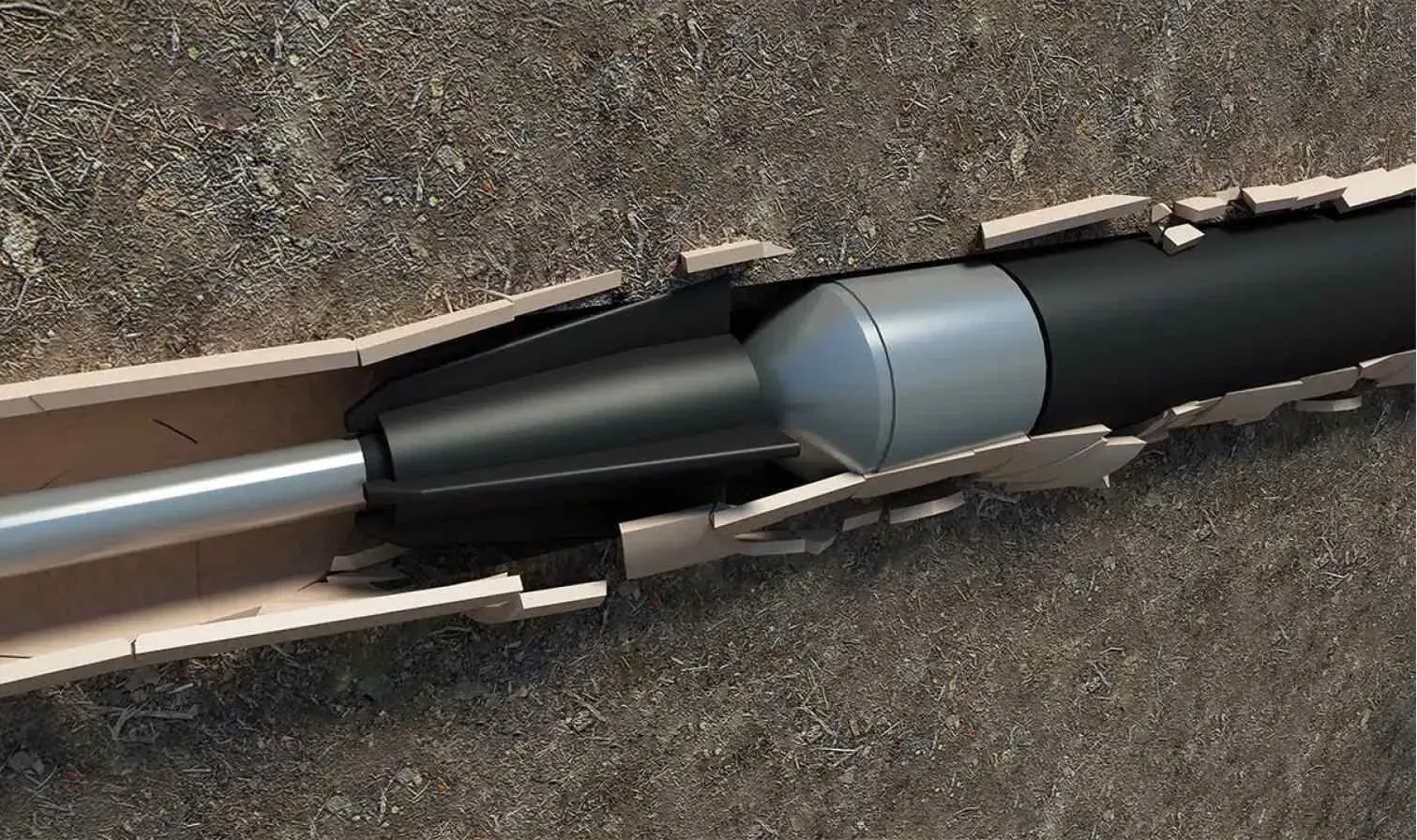
Trenchless sewer line installation offers a modern alternative, minimizing ground disturbance through advanced technology. This method includes several techniques, such as pipe bursting and directional drilling, to install new sewer lines without extensive excavation.
Advantages:
Minimal Disruption: Trenchless installation causes little to no damage to landscapes, hardscapes, and structures, preserving the property's aesthetics and integrity.
Speed: These projects can often be completed more quickly than traditional trenching, reducing labor costs and minimizing inconvenience.
Long-Term Savings: While the upfront cost may be higher, the reduced need for landscape restoration and the durability of the new installation can offer long-term savings.
Considerations:
Initial Investment: The specialized equipment and materials for trenchless methods can result in higher initial costs.
Technological Limitations: Trenchless techniques may not be suitable for all situations, depending on the condition of the existing pipes and the soil type.
Making the Decision
Choosing between trenchless and traditional trenching methods for new sewer line installation depends on several factors:
Project Scope: The size and complexity of the project can influence the cost-effectiveness of each method.
Environmental Impact: For those prioritizing environmental preservation, trenchless methods reduce the ecological footprint of the installation.
Long-Term Planning: Consideration of future landscaping plans and property developments can guide the choice between the disruptive nature of trenching and the minimally invasive trenchless techniques.
Budget: While assessing costs, it's essential to consider not just the initial outlay but also the potential for future savings through reduced maintenance and restoration needs.
Final Notes on Traditional vs. Trenchless
The choice between trenchless and traditional trenching methods for sewer line installation is nuanced, requiring a careful evaluation of the project's specific circumstances and long-term objectives. By understanding the advantages and considerations of each approach, property owners and contractors can make informed decisions that optimize efficiency, cost, and minimal environmental impact. As technology advances and environmental considerations become increasingly paramount, trenchless methods are likely to gain further favor for their innovative solutions to traditional challenges.