
Sewer Lines vs. Drain Lines
You'll Be Glad You Called Us First
Sewer and Drain Lines: Not The Same and Important For Homeowners to Know the Difference!
In the intricate world of plumbing, distinguishing between sewer lines and drain lines is essential for both homeowners and professionals. Although these terms are often used interchangeably, they refer to different parts of a property's wastewater disposal system. This concise article aims to clarify these differences, providing a foundation for better understanding and maintenance of plumbing infrastructures. Take a deeper dive into how your home plumbing is connected as we give you some great insight into the differences in sewer lines and drain lines.
We include great service guarantees on all our drain work as well.
Let's Get To Know More About the Differences Between Sewer Lines and Drain Lines
Drain Lines: The Initial Pathway
Drain lines are the components of the plumbing system that are directly connected to various fixtures within a property, such as sinks, toilets, bathtubs, and showers. These pipes are responsible for carrying water and waste away from these fixtures and into the broader plumbing system. Each fixture has its own drain line, which then converges into larger pipes. The primary function of drain lines is to transport wastewater from the point of origin (the fixture) to the sewer line or septic system without direct exposure to the external environment.
Sewer Lines: The Main Conduit
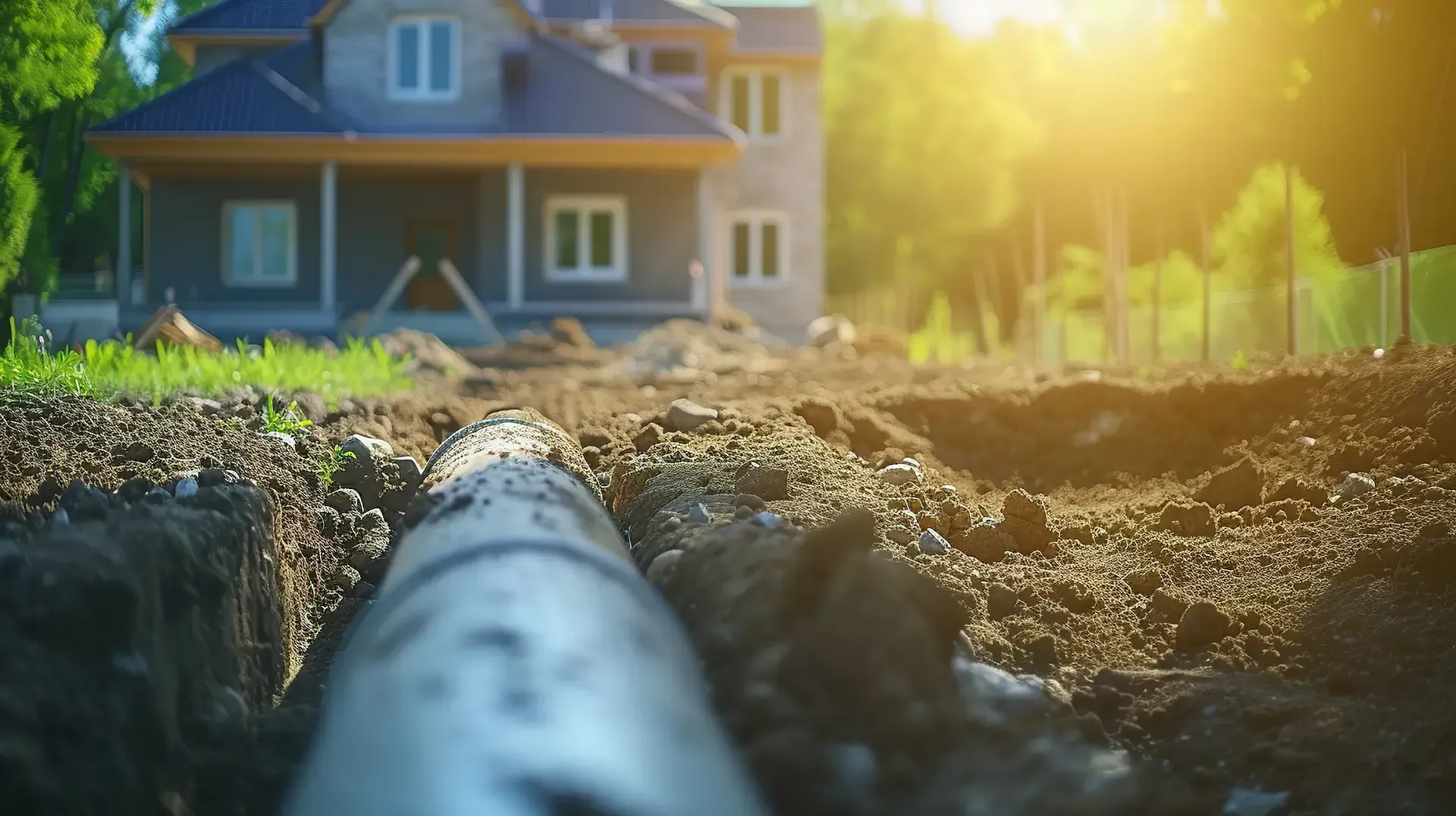
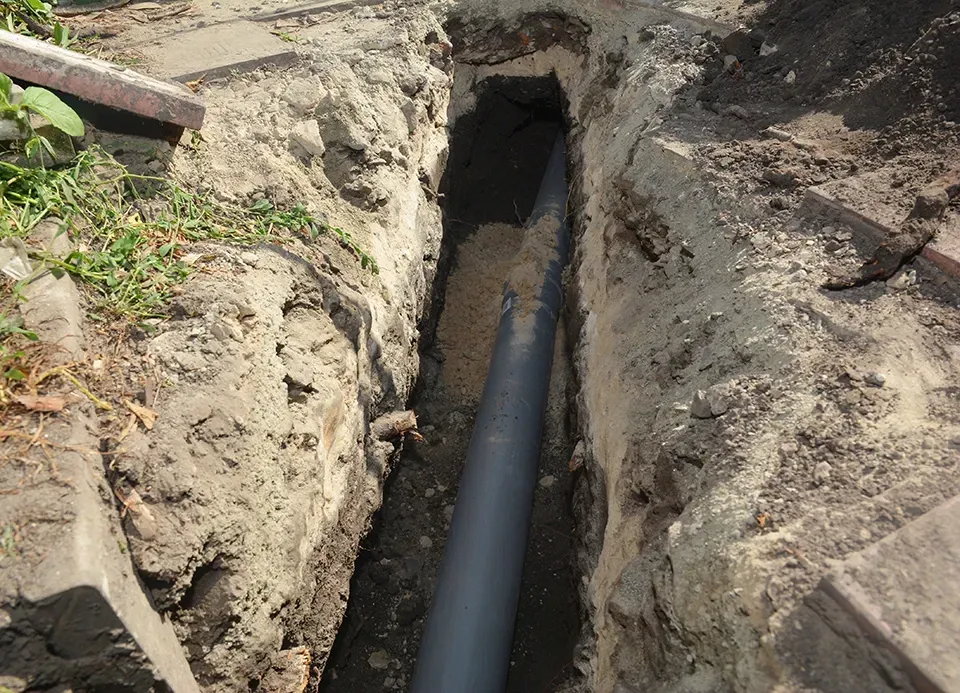
Sewer lines, on the other hand, are the larger pipes that collect wastewater from the various drain lines of a building and transport it to municipal sewer systems or private septic tanks. Located underground, sewer lines serve as the main conduit for all the wastewater generated by a property, ensuring it is efficiently and safely removed from the premises. Sewer lines play a critical role in public sanitation and health by preventing the accumulation of wastewater, which could lead to contamination and disease.
Key Differences
The main differences between sewer lines and drain lines can be summarized as follows:
Location and Scale
Drain lines are located within the property and are smaller, connecting individual fixtures to the larger sewer line. Sewer lines are external, larger pipes that transport waste away from the property to municipal or septic systems.
Function and Connectivity
Drain lines serve individual fixtures and converge into the sewer line, which acts as the main pathway for waste exiting the property.
Maintenance Responsibilities:
Property owners are typically responsible for maintaining both drain and sewer lines, but the approach and challenges associated with each can vary significantly. Issues within drain lines may involve clogs or leaks at individual fixtures, while sewer line problems might include root intrusion or structural damage affecting the entire property.
Conclusion
Understanding the distinction between sewer lines and drain lines is crucial for effective property maintenance and addressing plumbing issues accurately. While drain lines handle waste from individual fixtures, sewer lines ensure that all wastewater is carried away to municipal sewers or septic systems. Recognizing these differences can aid in diagnosing plumbing problems, facilitating timely and appropriate repairs.