

Septic Abandonment
You'll Be Glad You Called Us First
Navigating Septic Tank Abandonment: Best Practices and Considerations
Septic tank abandonment is a critical process that occurs when a property transitions from using a septic system for wastewater treatment to connecting to a municipal sewer system. This transition might be due to various reasons, including municipal expansion, environmental regulations, or the need for a more efficient sewage disposal solution. Abandoning a septic tank involves a series of steps to ensure that the tank is safely decommissioned, posing no risk to public health or the environment. This job requires professional assistance to be carried out correctly. The professionals at Able Home Services can be your go to crew for septic abandonment issues!
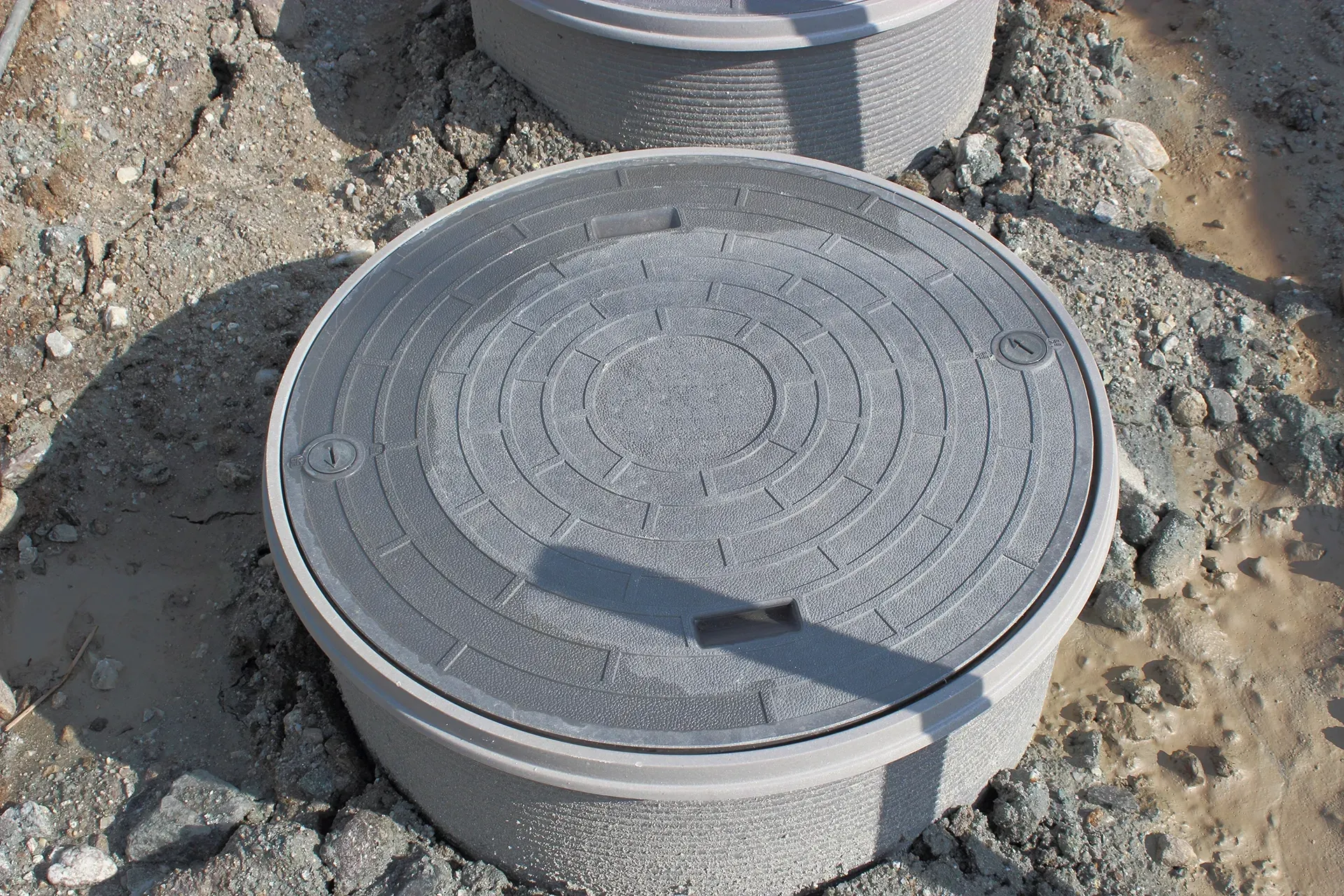
Understanding Septic Tank Abandonment
The process of septic tank abandonment is more complex than simply ceasing its use. It involves ensuring that the tank and associated components are properly handled to avoid soil contamination, groundwater pollution, or subsidence that could endanger public safety or damage property.
Key Steps in Septic Tank Abandonment
Pumping and Cleaning: The first step is to have the septic tank pumped and cleaned by a licensed professional. This removes all sewage and sludge from the tank, mitigating the risk of contamination during the abandonment process.
Permitting and Notification: Many local health departments or environmental agencies require notification and/or a permit for septic tank abandonment. This ensures that the process is overseen by appropriate authorities and that all environmental and safety standards are met.
Filling or Removal: Depending on local regulations and the condition of the tank, abandonment may involve either filling the tank with an inert material, such as sand or gravel, or removing the tank entirely. Filling the tank prevents it from collapsing and creating a sinkhole, while removal may be necessary if the tank is near a water body or in a condition that could lead to contamination.
Site Restoration: After the tank is filled or removed, the area should be restored. This might involve soil compaction, landscaping, or other measures to return the site to its natural or intended use, ensuring that there are no hazards left behind.
Considerations and Best Practices
Follow Local Regulations: Septic tank abandonment is governed by local and state regulations that dictate how the process should be conducted. Compliance with these regulations is mandatory to ensure environmental protection and public safety.
Professional Services: Engaging with professionals experienced in septic tank services is crucial for proper abandonment, such as the pros at Able Home Services. We can navigate the technical and regulatory aspects, ensuring the process is done safely and effectively.
Environmental Impact: Consider the environmental impact of the abandonment process, including potential effects on groundwater, soil, and surrounding ecosystems. Proper procedures minimize these risks.
Future Property Use: The future use of the property and the area where the septic tank is located should be considered. Proper abandonment and site restoration can enhance property value and usability.
Conclusion
Septic tank abandonment is a necessary process for properties transitioning to municipal sewer systems, requiring careful consideration of environmental, regulatory, and technical factors. By following best practices and engaging with professional services, property owners can ensure that their septic tanks are safely and effectively decommissioned, paving the way for sustainable property development and environmental stewardship. Understanding and adhering to local regulations is paramount in this process, ensuring that septic tank abandonment contributes positively to public health and safety, as well as environmental protection.