
Failed Sewer Lines
You'll Be Glad You Called Us First
Addressing the Challenge of Failed Sewer Lines: Essential Insights
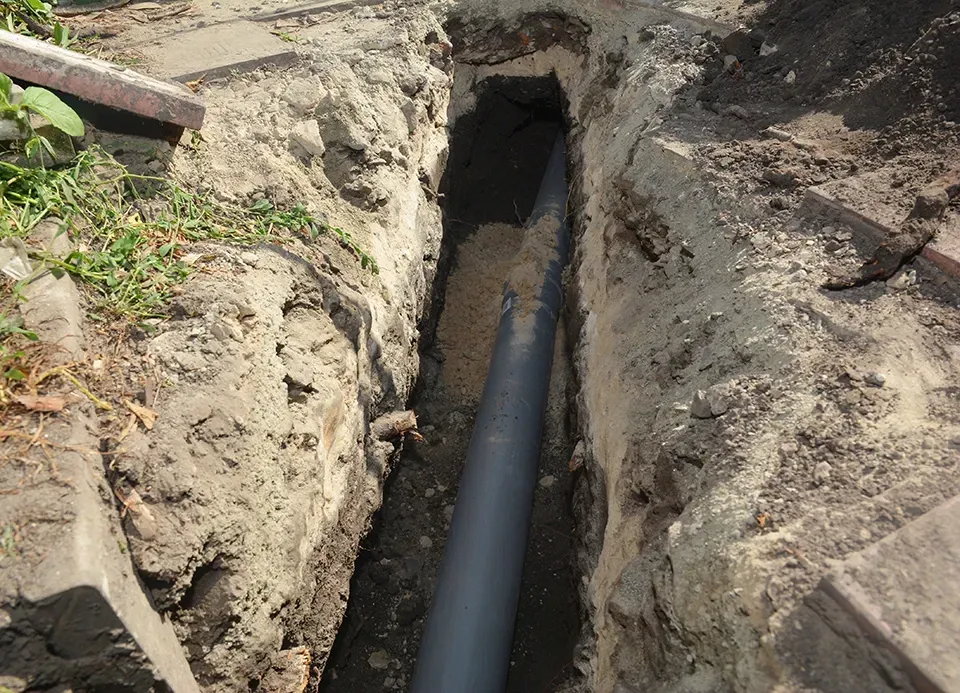
Failed sewer lines are a critical concern for property owners, leading to significant disruption, potential health hazards, and substantial repair costs. This issue, characterized by the complete or partial collapse of sewer pipes, prevents wastewater from being efficiently transported away from residential or commercial properties. Understanding the causes, implications, and remedial steps for failed sewer lines is crucial for timely intervention and restoration. ABLE Plumbing has technicians ready to provide professional involvement in resolving such complex plumbing emergencies. Call or request service with us today.
We include great service guarantees on all our sewer work as well.
Causes of Sewer Line Failure
Several factors can contribute to the failure of sewer lines, including:
Age and Corrosion: Older pipes made from clay, cast iron, or other materials susceptible to degradation over time can corrode or deteriorate, leading to failure.
- Tree Root Intrusion: Tree roots seeking moisture can invade sewer lines, causing blockages or physical damage that compromises the pipe's integrity.
- Ground Movement: Earthquakes, soil settling, or heavy construction nearby can shift the ground, breaking or dislodging sewer pipes.
- Poor Maintenance: Lack of regular cleaning and inspection can lead to severe clogs or buildup, increasing the risk of pipe collapse under pressure.
Implications of Sewer Line Failure
The consequences of a failed sewer line extend beyond the inconvenience of blocked drains, including:
- Environmental Contamination: Leakage of untreated wastewater into the soil and waterways can cause significant environmental damage.
- Health Risks: Exposure to sewage can pose serious health risks to humans and animals due to harmful bacteria and pathogens.
- Property Damage: Unaddressed sewer line failures can lead to water damage, foundation issues, and other structural problems in and around the property.
Professional Diagnosis and Repair
Given the complexity and potential dangers associated with failed sewer lines, professional diagnosis and repair are imperative:
Inspection and Assessment: Utilizing advanced techniques such as camera inspections, professionals can pinpoint the location and extent of the failure.
Repair Options: Depending on the situation, repair methods might include trenchless pipe repair, pipe bursting, or complete replacement. Professionals can recommend the most effective and minimally invasive solution.
Preventative Measures: Post-repair, experts can offer advice on preventing future failures, including regular maintenance schedules and modifications to landscaping or usage habits.
Conclusion
Failed sewer lines require immediate and expert attention to mitigate their negative impacts on health, property, and the environment. Property owners should be vigilant for signs of potential failure, such as persistent sewer backups, foul odors, or unexplained wet patches in the yard. Early detection, combined with professional assessment and repair, is key to resolving these issues efficiently and preventing recurrence. Regular maintenance and inspections can also contribute significantly to the longevity and reliability of sewer systems, safeguarding properties against the disruptions and costs associated with sewer line failure.