
Sump Pumps
You'll Be Glad You Called Us First
Understanding Sump Pumps: A Homeowner's Guide to Basement Waterproofing
Sump pumps play a crucial role in protecting basements and crawl spaces from water damage, especially in areas prone to flooding or with high water tables. By efficiently removing accumulated water, sump pumps help maintain the structural integrity of a home and prevent the myriad problems associated with dampness, such as mold growth, foundation damage, and indoor air quality issues. This article provides a comprehensive overview of sump pumps, their importance, and key considerations for homeowners looking to enhance their property’s waterproofing measures.
We include great service guarantees on all our pump work as well.
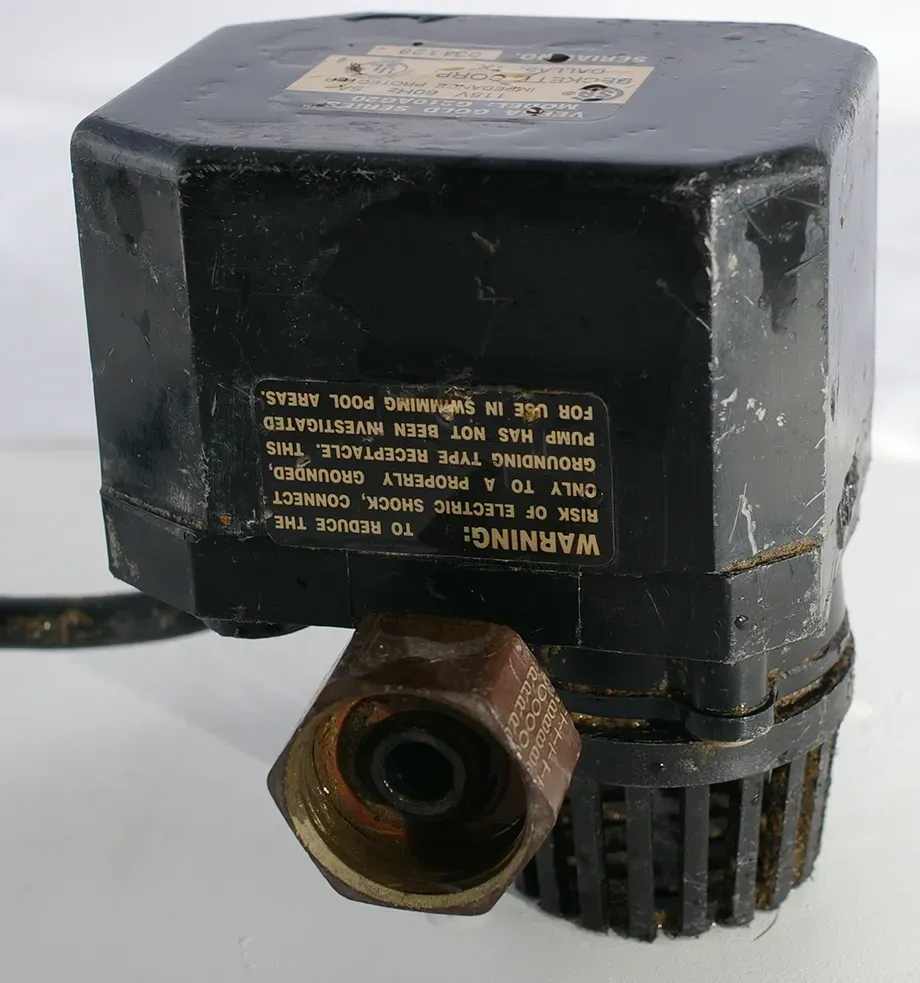
How Sump Pumps Work
A sump pump is typically installed in the lowest part of a basement or crawlspace, in a specially constructed sump pit. Water flows into the pit through drains or by natural water migration through the soil. The pump's primary function is to pump this water out of the pit and away from the home’s foundation, thereby keeping the basement dry and protected from potential water damage.
Types of Sump Pumps
There are two main types of sump pumps:
Submersible Pumps: These units are installed inside the sump pit and are designed to operate underwater. They are generally more powerful and quieter than pedestal pumps, making them a popular choice for residential use.
Pedestal Pumps: These pumps have a motor mounted above the sump pit, with a long vertical float switch. They are typically easier to maintain because the pump motor is not submerged in water, but they may be more obtrusive than submersible types.
Key Features to Consider
Automatic vs. Manual Operation: Most sump pumps are automatic, equipped with a float switch that triggers the pump when the water level rises. Manual pumps, while less common, can be useful in specific applications but require manual activation.
Battery Backup: Power outages often accompany heavy storms, which is precisely when you need your sump pump the most. A battery backup system can keep the pump running during outages, providing uninterrupted protection.
Capacity and Head Pressure: The pump’s capacity (measured in gallons per minute or hour) and the head pressure (the height the pump can lift water) are critical specifications to match with your home’s requirements.
Maintenance Tips
Regular maintenance is vital to ensure your sump pump operates effectively and to extend its lifespan:
Test Regularly: Pour a bucket of water into the sump pit to ensure the pump starts automatically and drains the water quickly.
Clean the Sump Pit: Remove debris from the pit to prevent clogging and ensure efficient water flow.
Check the Outlet Pipes: Ensure the discharge line is clear and water is flowing freely away from the foundation.
Battery Check: For systems with battery backups, regularly check the battery’s charge and replace it as recommended by the manufacturer.
The Importance of Sump Pumps
Sump pumps are an essential component of a comprehensive basement waterproofing strategy. They not only help in preventing flooding and mitigating water damage but also contribute to preserving the home's value by safeguarding its foundation and basement spaces. For homeowners living in flood-prone areas or those with homes that have basements below the water table, investing in a reliable sump pump system is a wise and proactive measure.
Conclusion
Sump pumps offer a practical and efficient solution for keeping basements dry and free from water damage. By understanding the different types of sump pumps, their operational features, and maintenance requirements, homeowners can make informed decisions to protect their homes from water-related issues. Regular inspection and maintenance of the sump pump system, like services we offer at Able Home Services, are crucial to ensuring its reliability when it matters most, safeguarding your home against the elements and preserving its structural integrity for years to come.